

SEPTEMBER 25, 2025
Senior Living Options in Folsom: Is Assisted Living the Right Fit?
Deciding where a loved one should live as they age can feel overwhelming. Families may hear terms like independent living, assisted living, residential care, and skilled nursing without being completely sure how they differ.
The right choice depends on your loved one’s current abilities, care needs, preferences, and how much support they may need in the future.
For families comparing senior living options in Folsom, understanding these differences can make the decision much clearer.
At Grand Dignity Homes, assisted living is provided in a smaller residential setting with personalized care, 24/7 professional care staff, medication management, private living spaces, and amenities designed around comfort and accessibility.
What Senior Living Options Are Available?
Senior living is not one single type of care.
Some older adults are fully independent and simply want a more convenient lifestyle. Others need help with medications, mobility, bathing, dressing, meals, or other daily activities. Seniors with more complex medical needs may require skilled nursing care.
The California Department of Social Services defines Residential Care Facilities for the Elderly, commonly known as assisted living or board-and-care homes, as residential settings for adults age 60 and older that provide 24-hour nonmedical care and supervision.
Understanding how different levels of senior living work can help families narrow their search.
Independent Living: For Seniors Who Need Minimal Daily Assistance
Independent living is generally intended for older adults who can manage their personal care and daily routines without regular hands-on assistance.
These communities may appeal to seniors who no longer want the responsibility of maintaining a house but still want privacy, independence, and opportunities to socialize.
Depending on the community, amenities may include:
- Private apartments
- Meals
- Housekeeping
- Transportation
- Social activities
- Fitness or wellness programs
- Maintenance-free living
Independent living may be a good fit when a senior is largely self-sufficient but wants greater convenience or community.
If your loved one is beginning to need regular assistance with medication, mobility, bathing, dressing, or other activities of daily living, assisted living may be more appropriate.
Assisted Living: Independence With Additional Support
Assisted living is designed for seniors who want to maintain as much independence as possible while receiving support with certain aspects of daily life.
Depending on the resident’s needs, assistance may include:
- Medication management
- Bathing and dressing
- Grooming
- Mobility
- Toileting
- Meals
- Housekeeping and laundry
- Transportation
- Daily routines
- Activities and social engagement
- Overnight support
The amount of assistance can vary significantly from one resident to another.
That is why Grand Dignity Homes uses personalized care plans to identify each resident’s routines, abilities, preferences, medication needs, mobility, meals, activities, and areas where support may be helpful.
The goal is to provide assistance where it is needed while supporting independence wherever possible.
Skilled Nursing: For More Complex Medical Needs
Skilled nursing facilities provide a higher level of clinical care than assisted living.
They may be appropriate for people who require ongoing licensed nursing services, intensive rehabilitation, or medical care that cannot safely be provided in a residential assisted living setting.
Skilled nursing may be needed after:
- A major hospitalization
- Surgery
- Serious injury
- Stroke
- Significant decline in mobility
- A medical condition requiring ongoing skilled nursing care
Some stays are temporary and focused on rehabilitation, while others are longer term.
When families are unsure which level of care is appropriate, a physician or other qualified healthcare professional can help evaluate the senior’s medical and functional needs.
How Do You Know When Assisted Living May Be the Right Fit?
The need for assisted living is not always triggered by one dramatic event.
Often, families begin noticing several smaller changes.
Your loved one may be having difficulty:
- Managing medications
- Preparing regular meals
- Bathing or dressing safely
- Moving around the home
- Keeping up with housekeeping
- Remembering important routines
- Getting in and out of bed
- Using the bathroom safely at night
- Maintaining social connections
- Managing daily life without increasing family assistance
One or two of these concerns do not automatically mean someone needs assisted living, but together they may signal that additional support would improve daily safety and quality of life.
Personalized Care Should Be One of Your Top Priorities
Choosing assisted living is not simply about determining whether someone needs “help.”
You also need to understand what that help will look like.
One senior may need medication management and meal support while remaining highly independent. Another may need help with mobility, bathing, dressing, and nighttime routines.
At Grand Dignity Homes, personalized care planning allows support to reflect the resident’s individual needs rather than applying the same routine to everyone.
When comparing assisted living options in Folsom, ask:
- How is the initial care plan created?
- How do you learn about personal routines and preferences?
- How is medication support handled?
- How are mobility needs evaluated?
- How are families involved?
- How often is the care plan reviewed?
These questions tell you much more than simply asking whether a community provides “personalized care.”
Think About Future Care Needs, Not Just Today’s Needs
Your loved one’s needs may change after moving into assisted living.
A resident who initially needs light support may later require additional help with medication, mobility, personal care, or nighttime routines.
Grand Dignity Homes can reassess support when a resident’s care needs change, allowing the care plan to evolve with the resident.
Families should ask prospective assisted living homes:
- How are changes in condition identified?
- When are care plans reassessed?
- What additional assistance can be provided?
- How are families notified?
- At what point might a higher level of care become necessary?
Understanding this before move-in can help families make a more informed long-term decision.
Consider What Happens Overnight
Families usually tour assisted living during daytime hours, but care needs do not stop at bedtime.
Some seniors may need help getting out of bed, using the bathroom, managing mobility, or following medication routines during the night.
Grand Dignity Homes provides 24/7 professional care staff. Families can also review its guide to questions to ask about overnight assisted living staff before touring.
Important questions include:
- Who is present overnight?
- How does a resident request assistance?
- How are bathroom trips handled?
- Who assists with nighttime mobility?
- How are overnight medications managed?
- What happens if a resident falls or feels unwell?
- How are overnight concerns communicated to families?
Understanding nighttime care can be especially important if your loved one already needs help after dark.
Think About the Environment Your Loved One Prefers
Care level is only one part of choosing senior living.
Personality matters too.
Some seniors enjoy large communities with busy activity calendars, numerous common spaces, and many neighbors.
Others prefer a quieter, more residential environment.
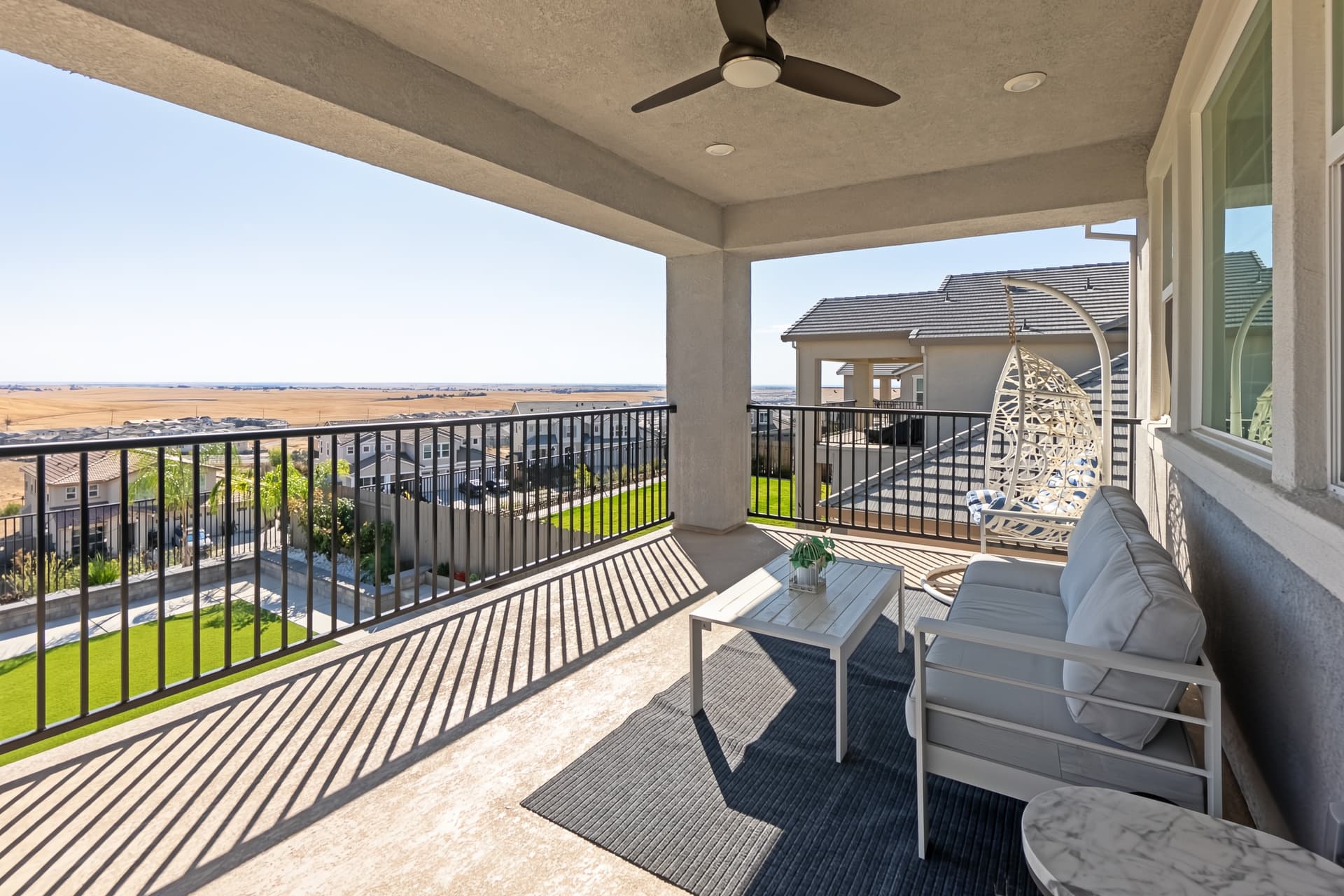
Grand Dignity Homes offers amenities designed around comfort and luxury, including:
- An intimate residential setting
- Private bedrooms
- Luxurious master suites
- Outdoor living and entertainment areas
- Expansive common spaces
- A family-centered environment
- Elevator access between floors
For someone who has spent most of their life in a private home, a smaller residential environment may feel like a more familiar transition.
Accessibility Can Become More Important Over Time
A senior who easily handles stairs today may have different mobility needs later.
When touring assisted living homes, think about how your loved one would navigate the property if they eventually used a walker, wheelchair, or needed additional assistance.
Grand Dignity Homes features elevator access between both floors, allowing residents to move through the home without relying solely on stairs.
Families should look at:
- Hallways
- Stairs
- Elevator access
- Bedrooms
- Bathrooms
- Common areas
- Outdoor spaces
- Accessibility for mobility devices
Accessibility is worth evaluating before it becomes an immediate need.
Ask About Medication Management
Medication needs are another major factor when deciding whether assisted living is appropriate.
A senior may be doing well independently in many areas while struggling to manage multiple medications, dosing schedules, or changing prescriptions.
Grand Dignity Homes includes medication management within its personalized approach to care.
Families should ask:
- Who assists with medications?
- How are medication schedules documented?
- How are changes communicated?
- How are nighttime medications handled?
- What happens if a resident’s medication needs change?
Medication support should be evaluated as part of the resident’s overall care plan.
Consider Meals, Activities, and Everyday Quality of Life
Senior living should not be evaluated only according to what happens when someone needs help.
Think about the other 23 hours of the day too.
What will your loved one eat? Where will they spend time? What activities are available? Can they go outside? Will they have privacy? Can family visit?
Grand Dignity Homes’ amenities and residential environment include private living spaces, common areas, outdoor areas, meals, activities, and other features intended to make everyday life comfortable.
Ask your loved one what matters most to them.
Their priorities may be different from yours.
Family Communication Should Be Part of the Decision
Family members often remain deeply involved after a loved one enters assisted living.
Before choosing a home, find out how communication works.
Ask:
- Who will be our main contact?
- How are families updated?
- How are concerns communicated?
- Can family members participate in care planning?
- What happens when needs change?
- What are the visitation policies?
Grand Dignity Homes provides additional information about admissions, care, activities, meals, visitation, and family involvement on its frequently asked questions page.
Clear communication can make the transition easier for both residents and their families.
Large Community or Smaller Residential Assisted Living?
There is no universal answer.
Large senior living communities may appeal to residents who want:
- Large social networks
- Extensive activity calendars
- Campus-style amenities
- Apartment-style living
- A busier atmosphere
A smaller residential assisted living home may appeal more to someone who prefers:
- A home-like environment
- Private living space
- Familiar surroundings
- Personalized routines
- Individualized support
- Quieter shared spaces
- A more intimate atmosphere
Grand Dignity Homes’ care philosophy centers on empathy, integrity, responsibility, personalized care, and helping residents feel valued and respected.
The better option is the environment that fits your loved one.
Questions to Ask When Comparing Senior Living Options in Folsom
Before making a decision, consider asking:
- What level of daily assistance does my loved one currently need?
- What support may they need in the next year or two?
- How are personalized care plans created?
- Is staff available around the clock?
- How is medication managed?
- What happens when care needs change?
- Is the home accessible if mobility declines?
- What are the bedrooms and common areas like?
- What meals and activities are available?
- How are families involved and kept informed?
- Is the community properly licensed?
- Does the overall environment fit my loved one’s personality?
The answers can help you compare options based on your loved one’s actual needs instead of simply choosing the community with the longest amenities list.
Is Assisted Living the Right Fit for Your Loved One?
Assisted living may be appropriate when a senior wants to maintain independence but needs additional support to manage everyday life safely and comfortably.
For many families, it fills the gap between living completely independently and needing the higher level of clinical care provided by skilled nursing.
The right decision should consider:
- Current care needs
- Medical needs
- Mobility
- Medication management
- Daily routines
- Social preferences
- Desired level of privacy
- Family involvement
- Future care needs
- Preferred living environment
Taking time to evaluate each of these areas can make choosing senior living in Folsom feel much more manageable.
Explore Assisted Living at Grand Dignity Homes in Folsom
Grand Dignity Homes offers a smaller residential approach to assisted living in Folsom, CA, with personalized care plans, 24/7 professional care staff, medication management, private living spaces, thoughtfully designed amenities, and support that can evolve as residents’ needs change.
Families can learn more about the home’s approach to personalized senior care or schedule a private tour to explore the residence firsthand.
A tour gives you the opportunity to meet the team, see the living spaces, ask detailed questions about care, and determine whether assisted living at Grand Dignity Homes is the right fit for your loved one.
Recent Posts

What Does Luxury Assisted Living Really Mean?
OCTOBER 6, 2026
High-End Assisted Living: What Families Should Look For
OCTOBER 5, 2026
What Is Included in an All-Inclusive Residential Care Home?
SEPTEMBER 9, 2026
What Does Luxury Assisted Living Really Mean?
SEPTEMBER 9, 2026
10 Questions to Ask About Overnight Assisted Living Staff
JULY 14, 2026

What Happens When a Resident’s Care Needs Change?
JULY 1, 2026