

OCTOBER 5, 2026
High-End Assisted Living: What Families Should Look For
Choosing high-end assisted living should involve much more than comparing attractive rooms or upscale amenities. The quality of the care, how well the home understands each resident, what happens overnight, how daily routines work, and how openly the staff communicates with families matter just as much as the physical setting.
At Grand Dignity Homes, we believe comfort and quality care should work together. Families looking at assisted living in Folsom should pay attention to what daily life will actually look like for their loved one, not simply what photographs or a feature list show.
What Makes High-End Assisted Living Worth Considering?
The term “high-end assisted living” can mean different things from one home to another. A beautiful property may be part of the experience, but it doesn’t tell you how residents receive help with medications, mobility, personal care, meals, or changing needs.
Start by looking at the entire living experience.
A high-quality home should be able to explain how care works throughout the day, how caregivers learn residents’ preferences, what support is available overnight, and what happens if someone’s needs change after move-in.
The National Institute on Aging recommends that families consider both a person’s current needs and services they could require later when choosing a long-term care facility. Visiting prospective homes in person and asking detailed questions also gives families information that isn’t always obvious online.
Look Closely at Personalized Care
Two people of the same age can need completely different levels of assistance. One resident may need medication support while remaining largely independent. Another may need help with dressing, mobility, meals, or nighttime routines.
Ask how the home determines what each resident needs.
At Grand Dignity Homes, we create personalized care plans based on residents’ individual needs and preferences. Families can learn more about our approach in our article about personalized care plans in assisted living.
During your search, ask practical questions such as:
- What happens before a resident moves in?
- How are routines and preferences documented?
- How does the team know when someone’s care needs have changed?
- Who talks with the family about those changes?
- How much independence does the resident retain?
Listen for specifics. A detailed explanation of how the process works tells you much more than general statements about individualized care.
Find Out What 24-Hour Care Actually Means
Families often see “24-hour care” or “24-hour staff” on assisted living websites. Those phrases deserve follow-up questions.
Ask who is physically present overnight, what their responsibilities are, and what happens if two residents need assistance at the same time. You should also understand how nighttime needs such as bathroom assistance, medication schedules, confusion, mobility concerns, or falls are handled.
Grand Dignity Homes has trained care staff available around the clock and provides medication management support. If overnight care is particularly important for your parent or loved one, tell the home exactly what currently happens at night.
Someone who regularly wakes to use the bathroom has different needs from a person who sleeps through the night. A resident with memory changes may require another level of supervision altogether.
Specific information gives the care team a much better picture of whether the home is an appropriate fit.
Pay Attention to the Size and Feel of the Home
Some families prefer a large senior living community with numerous shared spaces and a busy calendar. Others are intentionally searching for a smaller residential environment.
Neither preference is inherently right for everyone.
Think about your loved one’s personality. Would they enjoy navigating a large community, or would a quieter residential setting feel more comfortable? Do they prefer intimate meals and familiar surroundings? How much stimulation do they enjoy during a typical day?
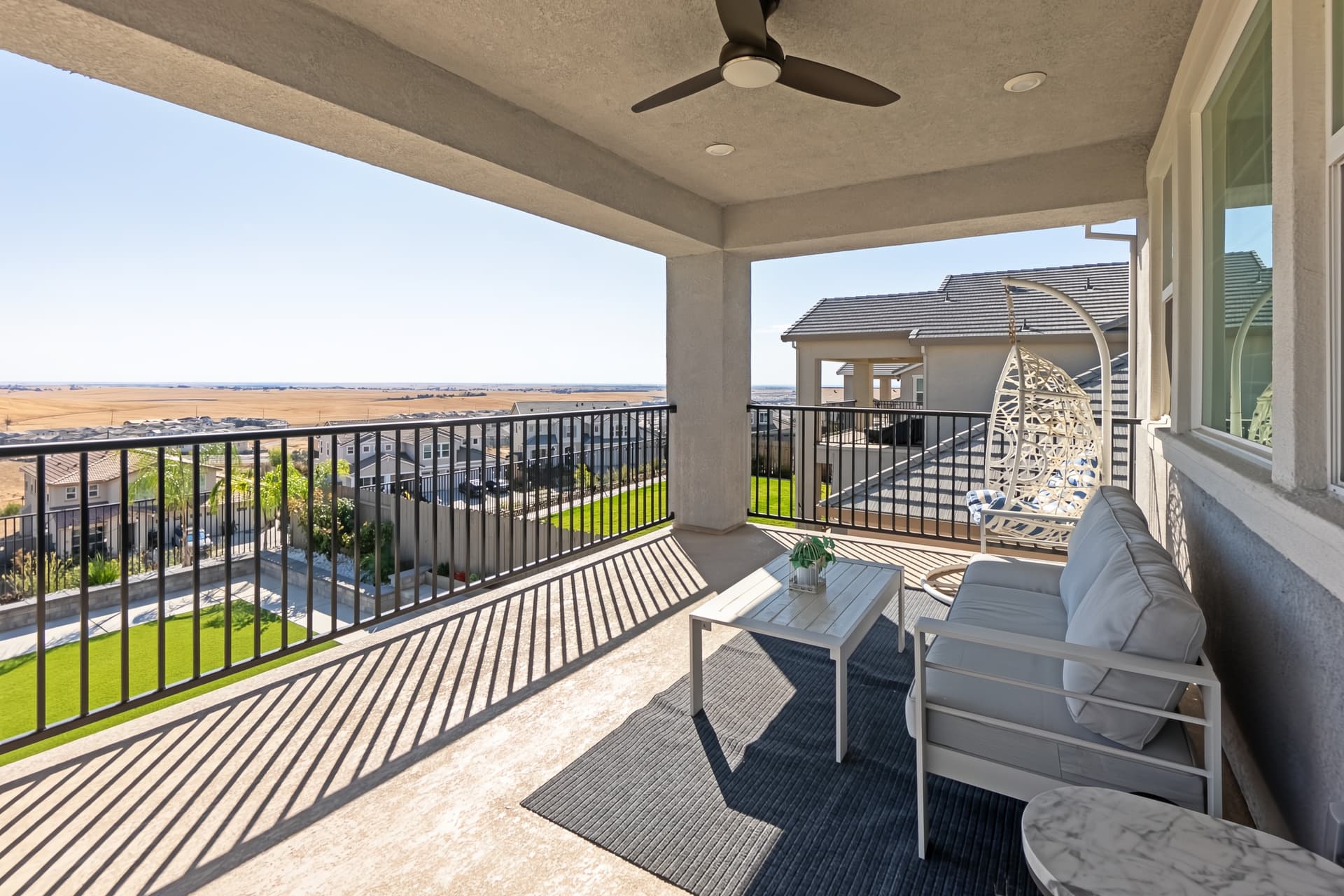
The surroundings should also support the resident physically. Look at stairs, bathrooms, hallways, outdoor areas, room layouts, and accessibility.
Grand Dignity Homes has elevator access between floors, spacious rooms, outdoor space, and private bedrooms, with private bathrooms available. You can see more of the home’s physical environment on our amenities page.
Look Beyond the Bedroom
A nice private room matters, especially when someone is leaving a longtime home. Still, residents spend their lives beyond their bedrooms.
Look closely at the common areas.
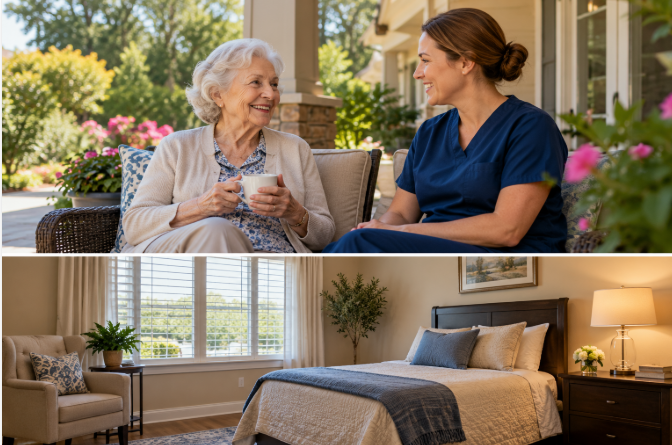
Are there comfortable places to sit outside the bedroom? Is there somewhere residents can spend time outdoors? What does the dining space feel like? Can family members comfortably visit?
Then ask yourself whether the home looks like somewhere your loved one would actually want to spend an ordinary Tuesday afternoon.
That ordinary day is a useful standard throughout your search.
A tour naturally highlights attractive spaces and amenities. Try to picture breakfast, an afternoon at home, an evening meal, and the middle of the night. Those hours make up far more of a resident’s experience than the tour itself.
Ask About Meals, Housekeeping, Activities and Transportation
Daily services have a direct effect on quality of life.
Grand Dignity Homes provides nutritious meals and housekeeping services. We also encourage activities that keep residents engaged and arrange transportation so residents can continue attending commitments outside the home.
As you compare homes, get more specific.
Ask what meals typically look like and where residents eat. Find out what happens if someone has preferences or dietary needs. Ask how often housekeeping occurs and what laundry arrangements look like.
Activities deserve the same scrutiny. A long activity calendar isn’t automatically better. Think about whether the activities would genuinely interest your loved one.
For someone who prefers conversation, reading, time outdoors, or a quiet afternoon, constant scheduled programming may not matter. Another resident may want frequent opportunities to stay busy and socialize.
The right environment should fit the person who will actually live there.
Watch How Staff and Residents Interact
Some of the most useful information during an assisted living tour comes from watching rather than asking.
Notice how staff members address residents. Do conversations feel patient and respectful? Does the staff appear to know residents personally? When someone asks for something, how does the team respond?
Pay attention to residents too. A tour offers only a short snapshot, but you can still observe whether people seem comfortable in their surroundings and whether interactions feel natural.
At Grand Dignity Homes, our values center on empathy, integrity, and responsibility. You can read more about our care philosophy and approach on our About Grand Dignity Homes page.
Ask What Happens When Care Needs Increase
A parent may move into assisted living needing relatively light assistance. Six months or a year later, that could change.
Ask about this before choosing a home.
Find out how the staff recognizes new needs and how the home decides whether it can continue supporting the resident. Ask whether care plans are reassessed and how families are included in those discussions.
You should also be candid about known medical, mobility, cognitive, or behavioral concerns during the evaluation process. A beautiful home isn’t the right home if it cannot appropriately support the person who will live there.
Understanding the home’s capabilities from the beginning reduces uncertainty later.
Find Out How Families Are Kept Informed
Good communication becomes especially important when adult children don’t live nearby or share caregiving responsibilities with siblings.
Ask who your primary contact would be after move-in. Find out what situations trigger a phone call and how routine updates are handled.
You may also want to ask what happens after a fall, noticeable change in behavior, refused medication, hospital visit, appetite change, or new mobility concern.
Clear answers now give you a much better idea of what communication will feel like later.
Tour High-End Assisted Living With Your Loved One’s Real Life in Mind
Families sometimes enter a tour with a general question: “Is this a nice place?”
Use a more specific standard.
Could your parent comfortably get through a normal day here?
Think about when they wake up, how much assistance they need getting ready, what they like to eat, how they spend afternoons, whether they enjoy company, what medications they take, how they move around, what happens at bedtime, and what kind of help they may need overnight.
Bring those details into the conversation.
At Grand Dignity Homes, our residential assisted living home in Folsom combines personalized care with comfortable private spaces, 24-hour care staff, medication support, meals, housekeeping, activities, transportation, and a residential environment.
If you’re comparing high-end assisted living options for a parent or loved one, contact Grand Dignity Homes to schedule a visit. Come with specific questions and take the time to see how the home would fit the person you’re choosing it for.
A strong assisted living decision comes down to fit. Look carefully at the care, people, environment, routines, and communication. Those details will tell you far more about the experience your loved one will have than the word “luxury” ever could.
Recent Posts

What Does Luxury Assisted Living Really Mean?
OCTOBER 6, 2026
What Is Included in an All-Inclusive Residential Care Home?
SEPTEMBER 9, 2026
What Does Luxury Assisted Living Really Mean?
SEPTEMBER 9, 2026

10 Questions to Ask About Overnight Assisted Living Staff
JULY 14, 2026

What Happens When a Resident’s Care Needs Change?
JULY 1, 2026