

FEBRUARY 27, 2026
Why Smaller Assisted Living Homes Often Feel Safer and More Personal
Choosing senior care is an important decision for any family. While large assisted living communities are a familiar option, some families prefer smaller assisted living homes because the environment can feel more personal, comfortable, and familiar.
A residential setting combines professional support with many of the qualities people associate with home: comfortable living spaces, familiar routines, closer interaction with caregivers, and fewer large communal areas to navigate.
At Grand Dignity Homes in Folsom, CA, assisted living is provided in a smaller residential setting with personalized care, 24-hour staff availability, medication management, meals, activities, and spaces designed for everyday comfort.
What Are Small Assisted Living Homes?
Small assisted living homes provide senior care in a residential environment rather than on a large senior living campus.
In California, these homes may operate as Residential Care Facilities for the Elderly, commonly called RCFEs. The California Department of Social Services defines an RCFE as a housing arrangement for adults age 60 and older where 24-hour nonmedical care and supervision are provided. RCFEs are also commonly referred to as assisted living facilities or board-and-care homes.
Depending on the resident’s needs, support may include:
- Assistance with bathing, dressing, and grooming
- Medication management
- Mobility support
- Meals and nutrition
- Housekeeping and laundry
- Daily supervision
- Activities and social engagement
- Help maintaining familiar routines
Families considering this type of care can learn more about what to look for in a residential care home before comparing their options.
A More Personal Residential Environment
One of the biggest differences families may notice in a smaller assisted living home is the environment itself.
Large senior living communities may include multiple wings, dining rooms, activity spaces, hallways, and larger groups of residents. A residential care home offers a different experience.
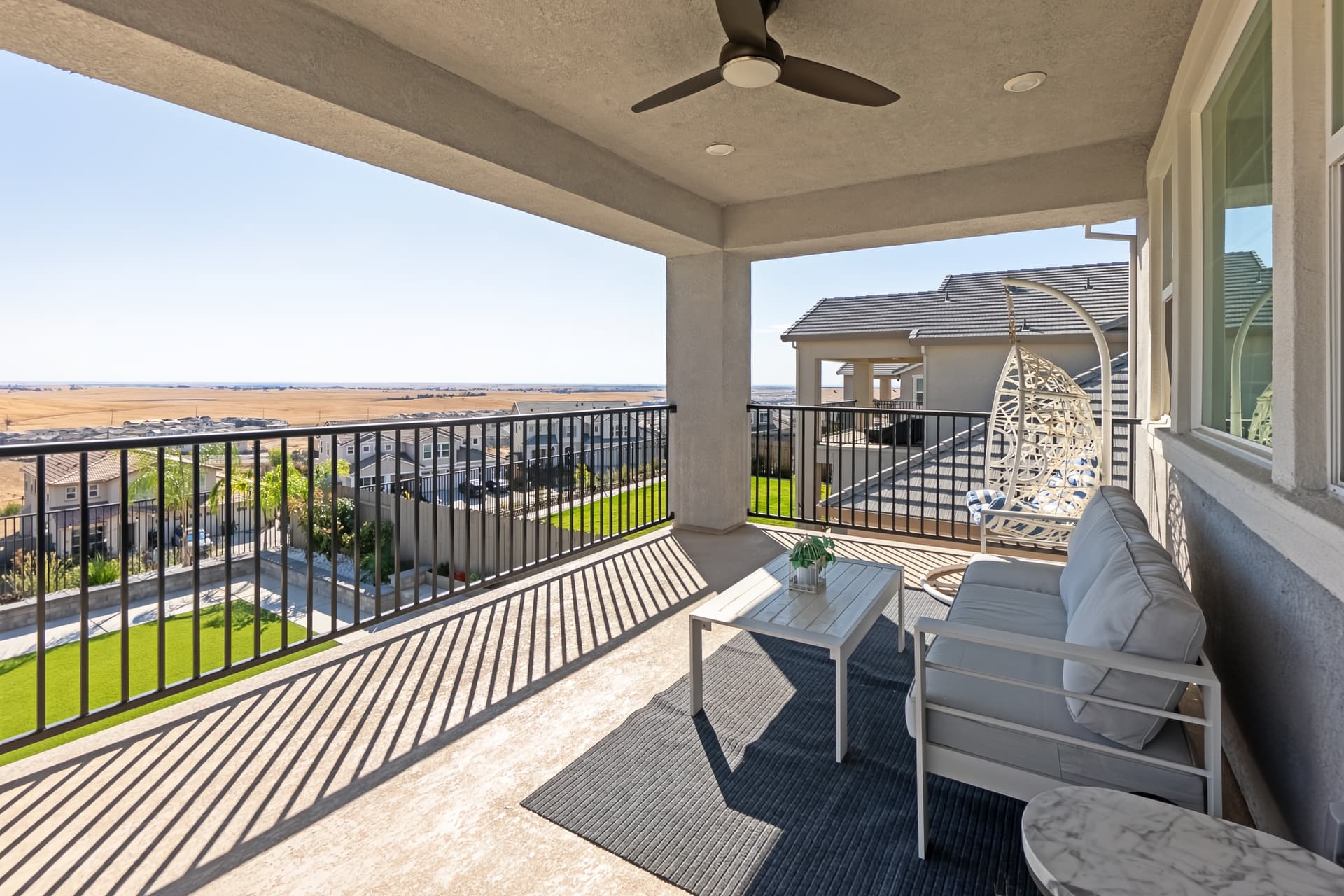
For seniors who prefer a quieter environment, a smaller setting may feel easier to become familiar with. Bedrooms, shared living areas, dining spaces, and outdoor areas can feel more like the rooms of a private residence than those of a large facility.
Grand Dignity Homes was designed around this residential approach. Families can explore its private bedrooms, common areas, outdoor living spaces, and other amenities when considering whether the setting fits their loved one’s preferences.
Familiarity Can Make Daily Care Feel More Personal
Care involves much more than completing a list of daily tasks.
Over time, caregivers may learn important details about a resident’s routines and preferences, including when they like to wake up, what foods they enjoy, how much assistance they prefer, which activities interest them, and what helps them feel comfortable.
That familiarity can make everyday interactions feel more personal.
At Grand Dignity Homes, care begins with personalized care plans built around each resident’s individual needs, routines, preferences, mobility, medication support, meals, activities, and family communication.
Instead of assuming every resident needs the same routine, individualized care allows support to reflect the person receiving it.
Caregivers Can Notice When Something Changes
Families want to know that changes in a loved one’s well-being will be taken seriously.
Changes may be subtle at first. A resident might begin eating less, need more assistance walking, become unusually tired, have difficulty completing a familiar routine, or require additional medication support.
Caregivers who understand a resident’s typical routines and abilities may be better positioned to recognize when something seems different.
That is also why care planning should not stop after move-in.
At Grand Dignity Homes, support can be reassessed when a resident’s care needs change. An updated care plan may include additional help with mobility, medication, bathing, meals, nighttime routines, or other areas of daily living.
Around-the-Clock Support Still Matters
A home-like atmosphere is important, but families should also look closely at the actual care available.
Residents may need assistance early in the morning, during the day, at bedtime, or overnight. When comparing assisted living homes, ask whether trained staff are available around the clock and what type of assistance they can provide.
Grand Dignity Homes provides 24-hour experienced staff along with medication management and assistance with everyday care needs.
Families should ask specific questions such as:
- Who is available overnight?
- What happens when a resident needs help getting out of bed?
- How is medication managed?
- How are changes in condition communicated to families?
- How is mobility assistance handled?
- What happens if care needs increase?
These questions help families evaluate the level of support behind the home-like environment.
A Calm Setting Can Make Assisted Living Feel Less Overwhelming
Moving from a private residence into assisted living is a major adjustment.
For some seniors, transitioning to another residential environment may feel more familiar than moving into a large senior living campus.
A comfortable living room, private bedroom, outdoor space, shared dining area, and familiar daily routine can help the new environment begin to feel like home.
Grand Dignity Homes describes its approach as assisted living in a smaller residential setting, with care centered on dignity, comfort, safety, and quality of life.
The right setting ultimately depends on the individual. Some seniors enjoy the size and activity of a larger community, while others prefer a quieter residential atmosphere.
Personalized Routines Can Support Independence
Assisted living does not mean every part of a resident’s day should suddenly become standardized.
Whenever possible, preserving familiar routines can help seniors maintain a sense of independence and normalcy.
Depending on individual needs, that may include preferences related to:
- Wake-up and bedtime
- Meals
- Bathing and grooming
- Favorite activities
- Quiet time
- Outdoor time
- Social interaction
- Family visits
A personalized care plan helps caregivers understand which routines matter to each resident and where assistance is actually needed.
The goal is to provide enough support to help residents remain comfortable and safe without unnecessarily taking over things they can still do for themselves.
Family Communication Is Part of Personal Care
Choosing assisted living also creates a new relationship between the family and the care team.
Families should feel comfortable asking questions, discussing concerns, and sharing information that helps caregivers understand their loved one.
Important questions include:
- How are families updated?
- Who should we contact when we have questions?
- How are changes in care communicated?
- Can family members participate in care planning?
- What are the visitation policies?
- How often are care plans reviewed?
Grand Dignity Homes provides additional information about care, admissions, amenities, activities, meals, and visitation on its frequently asked questions page.
Clear communication can help families remain involved while allowing caregivers to better understand the resident’s history, habits, preferences, and needs.
Small Assisted Living Homes vs. Larger Communities
Neither type of assisted living is automatically right for every senior.
Larger communities may appeal to seniors who enjoy a busy social environment, extensive activity schedules, and a larger campus.
A smaller residential assisted living home may be worth considering for someone who prefers:
- A residential atmosphere
- Familiar daily surroundings
- Personalized routines
- Comfortable shared living spaces
- A quieter environment
- Individualized care
- Close family involvement
When comparing options, focus less on which model is generally “better” and more on which environment fits your loved one’s personality, care needs, routines, and preferences.
What to Look for When Touring a Smaller Assisted Living Home
A residential appearance should never be the only reason to choose an assisted living home.
During a tour, families should evaluate both the setting and the care being provided.
Pay attention to:
- Staff availability
- Personalized care planning
- Medication management
- Mobility assistance
- Cleanliness and safety
- Bedrooms and bathrooms
- Common areas
- Meals and nutrition
- Activities
- Outdoor spaces
- Family communication
- Overnight support
- How changing care needs are handled
Most importantly, notice how the home feels and how caregivers interact with residents.
Grand Dignity Homes’ care philosophy emphasizes personalized care, integrity, empathy, responsibility, and creating an environment where residents feel valued and respected.
Discover Residential Assisted Living at Grand Dignity Homes
For families who want assisted living without the atmosphere of a large senior living campus, a smaller residential care home can offer a more familiar alternative.
Grand Dignity Homes in Folsom combines a private residential environment with personalized care plans, 24-hour experienced staff, medication management, meals, activities, housekeeping, and daily support.
Schedule a private tour to explore Grand Dignity Homes, meet the care team, and see whether a smaller, more personal assisted living environment feels right for your loved one.
Recent Posts
What Is Included in an All-Inclusive Residential Care Home?
SEPTEMBER 9, 2026
What Does Luxury Assisted Living Really Mean?
SEPTEMBER 9, 2026

10 Questions to Ask About Overnight Assisted Living Staff
JULY 14, 2026

What Happens When a Resident’s Care Needs Change?
JULY 1, 2026

The Benefits of Personalized Care Plans in Assisted Living
JUNE 29, 2026

Signs It’s Time for Assisted Living and How to Know When the Moment Is Right
JUNE 13, 2026