

DECEMBER 30, 2025
How Assisted Living Helps Prevent Senior Falls
Falls are a major concern for older adults and their families. A fall can result in an injury, hospitalization, reduced mobility, and a loss of confidence that makes everyday activities feel more difficult afterward.
For families exploring senior care options, fall prevention should be an important part of evaluating an assisted living home.
At Grand Dignity Homes in Folsom, CA, residents receive personalized support in a residential setting with 24-hour experienced staff, medication management, accessible living spaces, and care plans that can address individual mobility and safety needs.
Why Fall Prevention Matters for Older Adults
Fall risk can increase for many reasons as people age.
Changes in strength, balance, vision, medications, mobility, and overall health can all affect how safely someone moves through their environment.
According to the CDC’s fall-prevention guidance, families and older adults can reduce fall risk by addressing factors such as medications that cause dizziness or sleepiness, strength and balance, vision, and hazards within the home.
Common factors that may contribute to falls include:
- Balance or gait changes
- Muscle weakness
- Dizziness
- Vision problems
- Medication side effects
- Difficulty using stairs
- Mobility limitations
- Clutter or obstacles
- Poor lighting
- Trying to complete tasks without needed assistance
Assisted living can help address several of these concerns by combining a more supportive physical environment with individualized care.
A Living Environment Designed With Accessibility in Mind
The physical environment is an important part of fall prevention.
A senior who has difficulty climbing stairs, becomes tired easily, or relies on a walker may find certain features of a traditional home increasingly difficult to navigate.
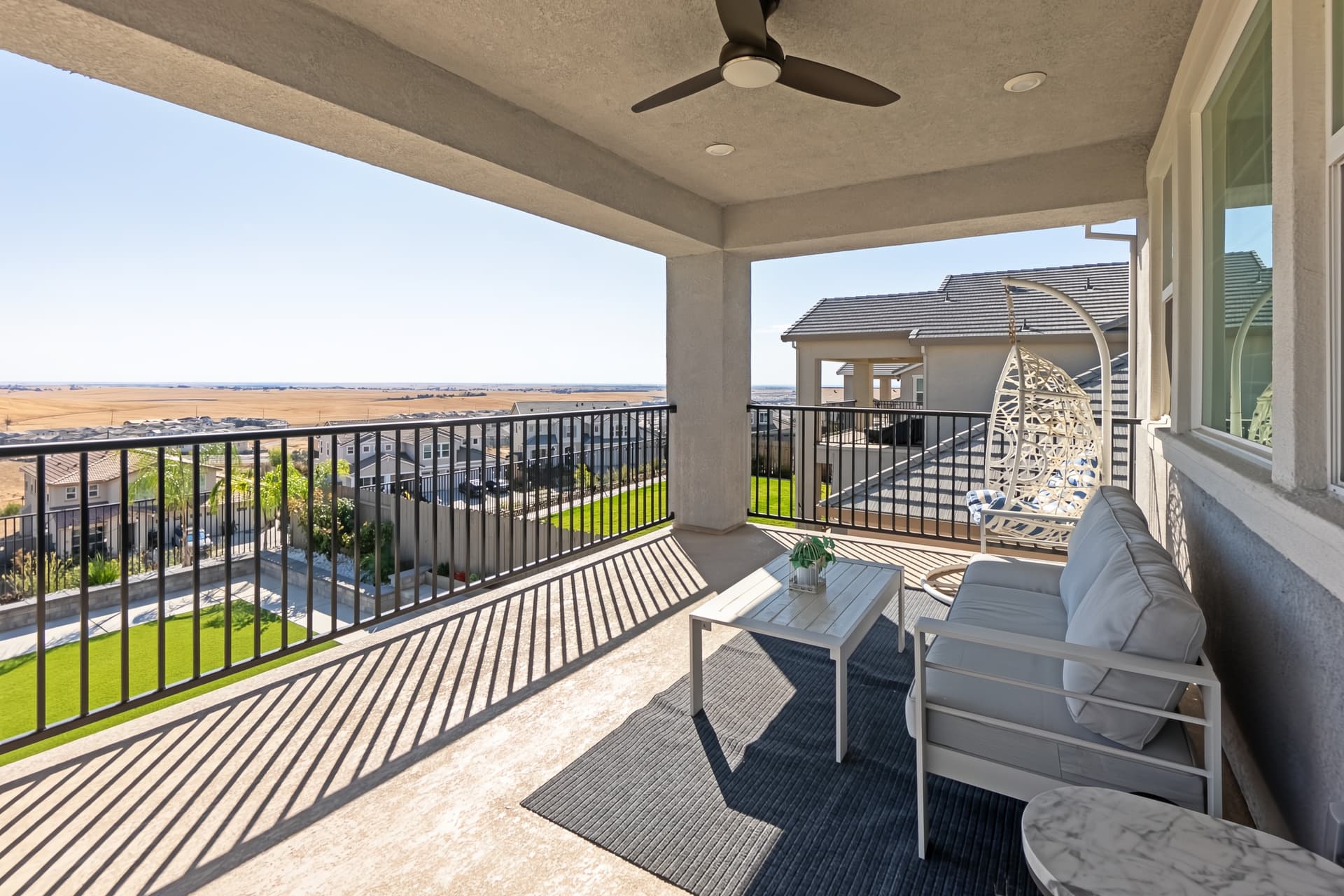
Grand Dignity Homes offers amenities designed around comfort and accessibility, including spacious living areas and elevator access between both floors of the residence.
The elevator is particularly important for residents who would otherwise need to use stairs to move between levels.
Reducing the need to navigate stairs can make the entire home more accessible for residents with:
- Balance concerns
- Limited endurance
- Walkers
- Wheelchairs
- Reduced leg strength
- Changing mobility needs
Families should evaluate the entire layout of an assisted living home, not just the resident’s bedroom.
Personalized Care Plans Can Address Fall Risk
Fall prevention is not the same for every resident.
One person may walk independently but occasionally feel unsteady. Another may use a walker. Someone else may need hands-on help with transfers or moving around the home.
That is why mobility should be considered as part of an individualized care plan.
At Grand Dignity Homes, personalized care plans can include mobility needs, daily routines, medication support, personal care, meals, activities, and other areas where a resident requires assistance.
A care plan may help answer questions such as:
- Does the resident use a walker or wheelchair?
- Do they need help standing from a bed or chair?
- Are they more unsteady at certain times of day?
- Do they need assistance getting to the bathroom?
- Have they fallen previously?
- Are there activities they should complete with assistance?
- Has their mobility recently changed?
Understanding these details helps caregivers provide support based on the individual resident rather than using the same approach for everyone.
24-Hour Support Can Help With Risky Daily Tasks
Falls do not only happen during normal daytime hours.
Getting out of bed, using the bathroom, transferring from a chair, or walking when tired can become more difficult when someone has mobility limitations.
Grand Dignity Homes provides 24-hour experienced staff, allowing residents to have caregiver support available throughout the day and night.
This may be especially important when residents need help with:
- Getting in and out of bed
- Toileting
- Transfers
- Walking with a mobility device
- Moving between different areas of the home
- Completing personal care routines safely
Families should ask what type of mobility assistance their loved one would receive and how that support is documented in the care plan.
For nighttime concerns specifically, Grand Dignity Homes provides a detailed guide to questions families should ask about overnight assisted living staff.
Why Nighttime Fall Prevention Deserves Special Attention
Nighttime presents its own challenges.
A resident may wake suddenly and need to use the bathroom. They may be tired, disoriented, or less steady than they are during the day.
Someone who normally remembers to use a walker may forget it when waking during the night.
Families should ask:
- How does a resident request help overnight?
- Who is available to provide mobility assistance?
- How are bathroom trips handled?
- What happens if a resident falls?
- Are nighttime mobility needs documented in the care plan?
- How are overnight incidents communicated to family members?
The answers can help families understand what 24-hour care actually looks like rather than relying on a general statement that staff are available overnight.
Medication Management and Fall Risk
Medication is another important consideration.
Some medications can contribute to dizziness, sleepiness, changes in balance, slower reaction time, or other effects that may increase fall risk.
Grand Dignity Homes includes medication management as part of its resident care services.
Families should ask how medication support works and make sure the care team is aware of any previous dizziness, balance problems, medication changes, or falls.
Useful questions include:
- Who assists with medications?
- How are medication schedules documented?
- How are changes in medication communicated?
- What happens if staff notice a new change in mobility or behavior?
- When are family members or healthcare providers contacted?
Assisted living caregivers do not replace a physician or pharmacist, but consistent medication management and communication can be an important part of a broader fall-prevention strategy.
Supporting Mobility Without Eliminating Independence
Fall prevention should not mean discouraging residents from moving.
Maintaining appropriate physical activity is important for strength, balance, and independence. The CDC recommends strength and balance exercises as one component of fall prevention for older adults.
In assisted living, the goal is to help residents remain as independent as their abilities safely allow while providing assistance where it is needed.
Depending on the resident, that might mean:
- Walking independently in familiar areas
- Using a walker
- Having caregiver assistance for certain transfers
- Participating in appropriate activities
- Taking breaks when fatigued
- Asking for assistance with higher-risk tasks
A personalized care plan helps define where independence is appropriate and where additional support is useful.
Care Should Change When Mobility Changes
Fall risk does not stay exactly the same over time.
A resident may become weaker after an illness or hospitalization. Arthritis may progress. Balance may change. Someone who previously walked independently may begin needing a mobility aid or additional assistance.
Grand Dignity Homes can reassess support when a resident’s care needs change.
Caregivers and families may notice changes such as:
- Increased unsteadiness
- New difficulty standing
- More frequent requests for mobility assistance
- Fatigue during normal activities
- Reduced participation in activities
- Changes after a fall or hospitalization
- New reliance on a walker or wheelchair
When needs change, the resident’s care plan can be reviewed so support continues to reflect their current abilities.
Familiar Caregivers Can Notice Changes in Daily Mobility
One benefit of consistent daily interaction is familiarity.
Caregivers who know how a resident normally moves may notice when something changes.
For example, a resident may suddenly begin holding onto furniture while walking, asking for more assistance getting out of a chair, moving more slowly, or appearing less steady than usual.
Grand Dignity Homes’ approach to personalized senior care focuses on understanding each resident’s individual needs rather than treating every resident exactly the same.
Small changes do not always mean something serious is wrong, but they may indicate that a resident’s support needs should be reassessed.
What Families Should Look for During an Assisted Living Tour
If fall risk is one of your primary concerns, bring it up directly during your tour.
Ask:
- How do you evaluate mobility needs?
- How are previous falls documented?
- How is mobility incorporated into the care plan?
- Is help available overnight?
- How do residents access both floors?
- How are walkers and wheelchairs accommodated?
- What happens after a fall?
- How do you communicate mobility changes to families?
- How are care plans updated when someone becomes less steady?
You can also review Grand Dignity Homes’ frequently asked questions and resident information before your tour so you arrive with a clearer understanding of the home and its amenities.
Specific questions will give you much more useful information than simply asking whether the home is “safe.”
Fall Prevention Is a Combination of Care and Environment
No assisted living home can guarantee that a resident will never fall.
Fall prevention is about identifying risk factors and taking reasonable steps to reduce them.
That may involve:
- An accessible living environment
- Appropriate mobility assistance
- Personalized care planning
- Medication management
- 24-hour caregiver availability
- Awareness of changes in balance or mobility
- Support as care needs evolve
This combination of environmental design and individualized assistance can help residents move through daily life with greater support.
Explore Assisted Living at Grand Dignity Homes
For families concerned about falls, choosing assisted living provides an opportunity to look at both the environment and the daily care available to their loved one.
Grand Dignity Homes in Folsom combines personalized care plans, 24-hour experienced staff, medication management, elevator access, private living spaces, and support that can change as residents’ needs evolve.
Schedule a private tour of Grand Dignity Homes to explore the residence, discuss your loved one’s mobility needs, and learn how personalized assisted living can support safer everyday movement.
Recent Posts

What Does Luxury Assisted Living Really Mean?
OCTOBER 6, 2026
High-End Assisted Living: What Families Should Look For
OCTOBER 5, 2026
What Is Included in an All-Inclusive Residential Care Home?
SEPTEMBER 9, 2026
What Does Luxury Assisted Living Really Mean?
SEPTEMBER 9, 2026
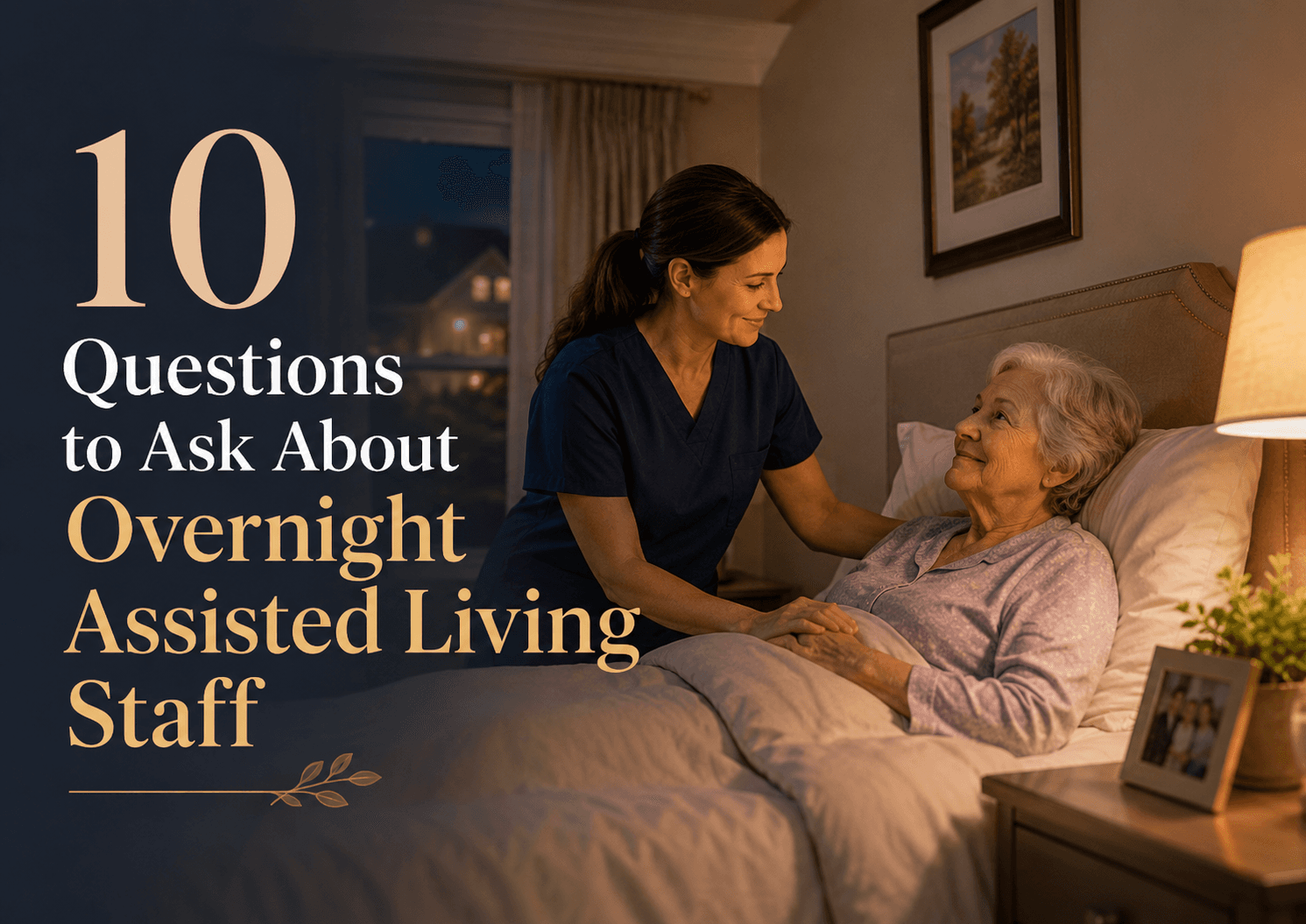
10 Questions to Ask About Overnight Assisted Living Staff
JULY 14, 2026

What Happens When a Resident’s Care Needs Change?
JULY 1, 2026