
FEBRUARY 20, 2026
Assisted Living With Elevator Access: A Safety Feature Families Overlook
When families compare assisted living options, they often focus on caregivers, care plans, meals, activities, and private rooms. Those are all important, but the physical design of the home deserves attention too.
One feature that can easily be overlooked is elevator access.
As mobility changes with age, navigating stairs may become more difficult or tiring. Choosing an assisted living home where residents can move between floors without relying on stairs can make everyday life safer, easier, and more comfortable.
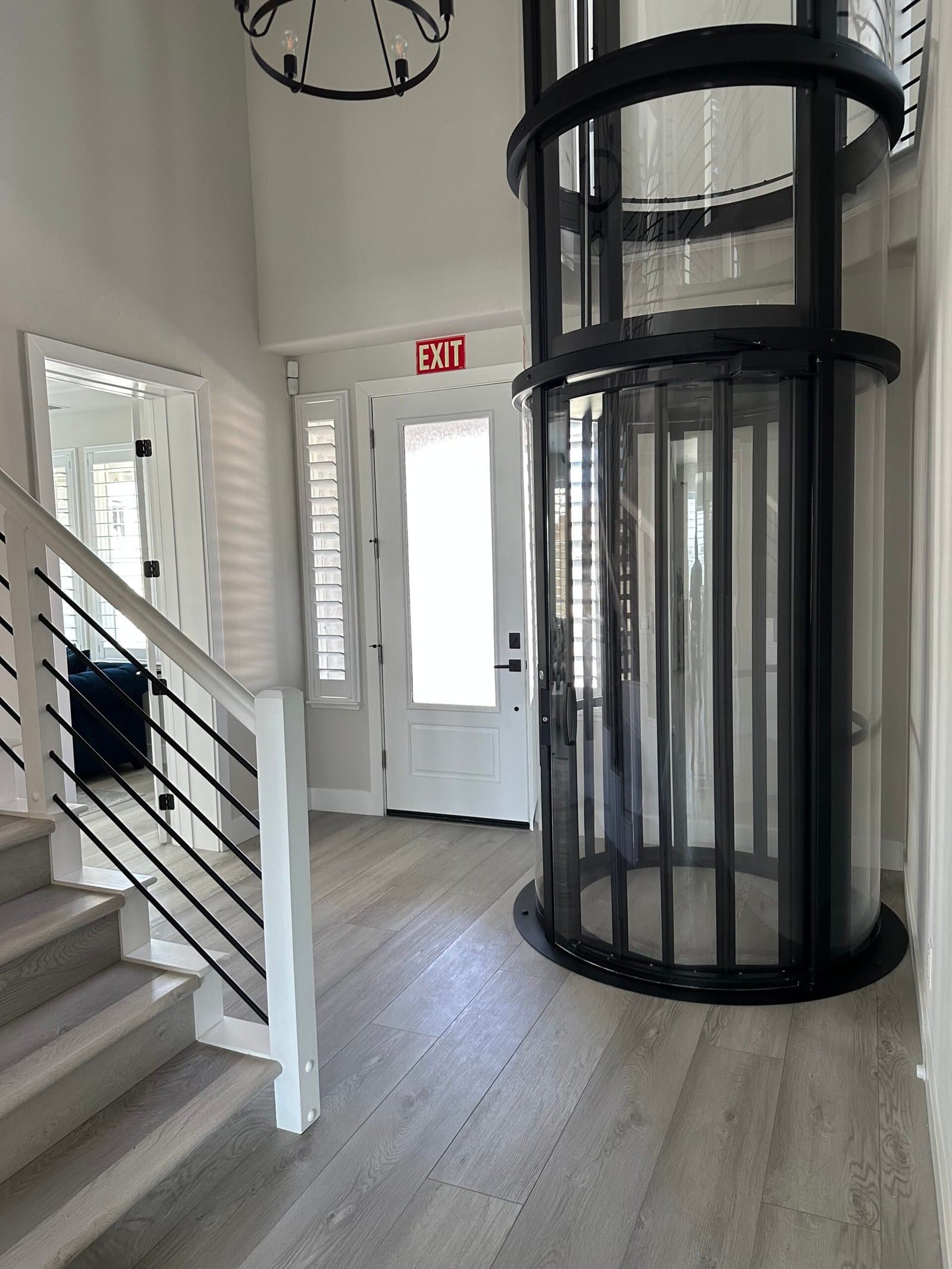
At Grand Dignity Homes in Folsom, CA, residents have access to a modern elevator that connects both floors of the home, one of several amenities designed for comfort and accessibility.
Why Stairs Can Become a Concern for Older Adults
A staircase that once seemed completely manageable can become more challenging as balance, strength, vision, joint mobility, or endurance changes.
Certain medications can also cause dizziness or sleepiness, which may increase fall risk. The CDC’s fall-prevention guidance recommends addressing potential hazards in the home and specifically notes the importance of making stairs safer for older adults.
For seniors living in a multi-story environment, stairs may create challenges such as:
- Increased risk of losing balance
- Difficulty moving between floors with a walker
- Limited accessibility for wheelchair users
- Fatigue or discomfort from climbing stairs
- Greater dependence on caregivers for stair navigation
Even someone who comfortably uses stairs today may experience mobility changes later. That makes accessibility an important consideration when families are choosing an assisted living home.
What Does Elevator Access Mean in Assisted Living?
Elevator access gives residents an alternative way to move comfortably between levels of a multi-story home.
At Grand Dignity Homes, the elevator provides access to both floors of the residence, helping residents reach bedrooms and shared living spaces without depending on the stairs.
This can be particularly helpful for residents who:
- Use walkers or other mobility aids
- Use a wheelchair
- Have limited strength or endurance
- Experience balance concerns
- Need caregiver assistance when moving through the home
The goal is not simply convenience. Good accessibility helps residents continue using and enjoying the spaces around them as their mobility needs evolve.
Elevator Access Can Support Fall Prevention
Falls are a significant concern for older adults, making the design of an assisted living home an important part of the evaluation process.
While an elevator cannot prevent every fall, it gives residents a way to move between floors without navigating a staircase.
In a multi-story assisted living home, elevator access can help:
- Reduce the need for residents to use stairs
- Make it easier for caregivers to assist with movement between floors
- Accommodate walkers and wheelchairs
- Reduce physical strain from climbing stairs
- Keep more areas of the home accessible as mobility changes
Families should look at accessibility throughout the entire residence rather than evaluating only the resident’s bedroom.
Better Accessibility for Different Mobility Needs
Not every assisted living resident has the same mobility needs.
One person may walk independently but become tired easily. Another may use a walker for additional stability. Someone else may use a wheelchair or require assistance from a caregiver.
That is why accessibility should also be considered as part of a resident’s personalized care plan. Mobility needs, daily routines, and the amount of assistance required can differ significantly from one resident to another.
Elevator access allows a multi-story home to accommodate a wider range of mobility needs.
When touring assisted living, families should ask:
- Can residents access both floors without using stairs?
- Is the elevator large enough for mobility devices?
- Can caregivers accompany residents when assistance is needed?
- Are common areas easily accessible?
- What happens if a resident’s mobility changes over time?
These questions can help families understand whether the home’s layout will continue to work for their loved one beyond their current level of mobility.
Greater Comfort and Convenience in Daily Life
Accessibility affects more than safety. It can also influence how freely residents participate in everyday life.
Residents should be able to access shared spaces, dining areas, activities, outdoor spaces, and their bedrooms without unnecessary physical strain.
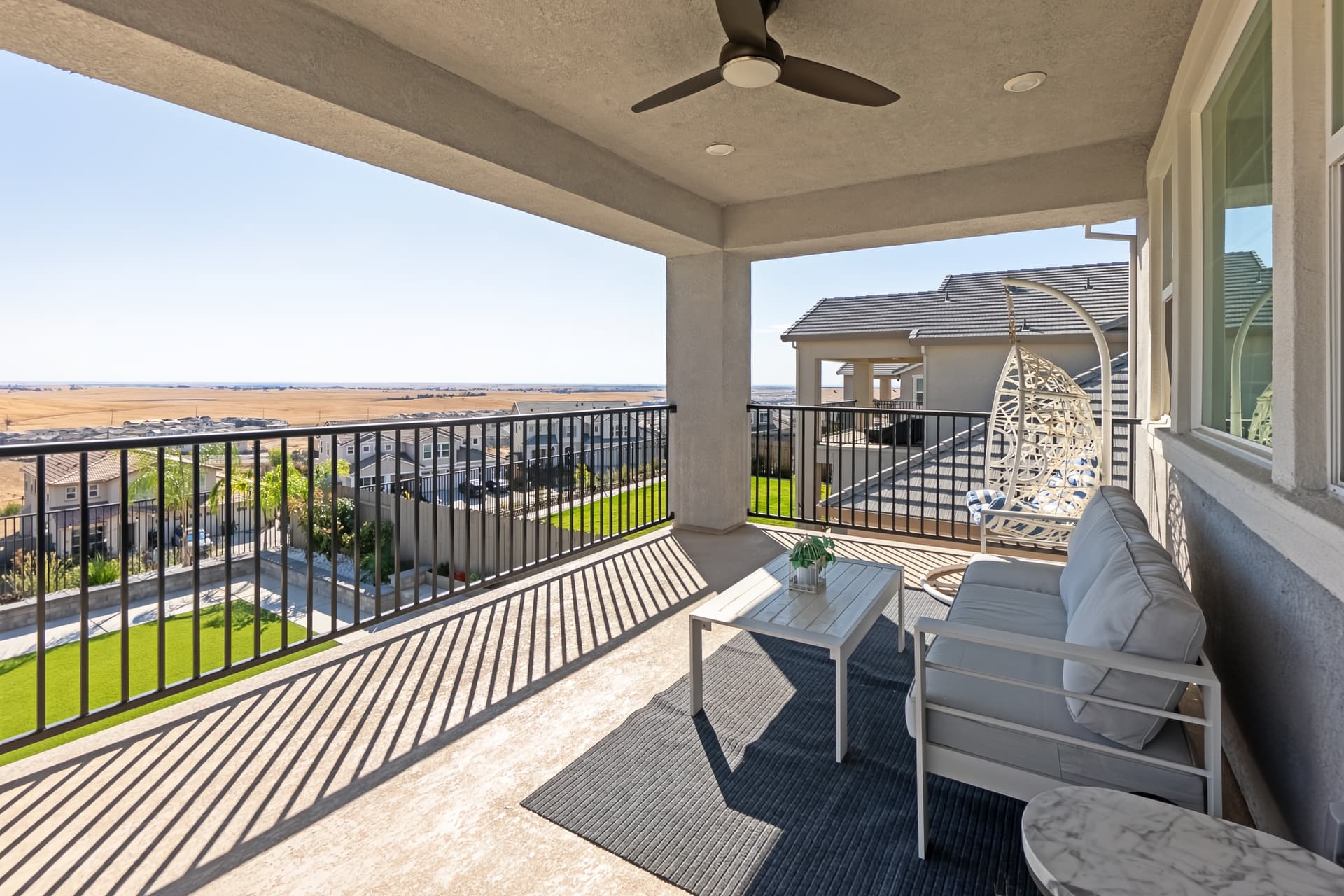
Grand Dignity Homes offers expansive common areas, private bedrooms, outdoor living spaces, and a family-centered environment, all designed to make everyday living comfortable and inviting.
In a home with elevator access, residents can move between floors more comfortably and continue participating in daily routines without having to avoid certain parts of the residence because of stairs.
That can support greater independence and help the entire residence remain accessible to them.
Why Accessibility Matters as Care Needs Change
Families are often choosing assisted living based on what their loved one needs today. It is equally important to think about what they may need later.
Mobility can change gradually or unexpectedly. A resident who walks independently when they move in may eventually need a walker, wheelchair, or more hands-on assistance.
Grand Dignity Homes’ approach allows care to be reassessed when a resident’s care needs change. Changes in mobility, medication needs, personal care, or nighttime routines may require additional support over time.
A home designed with accessibility in mind may be better prepared to accommodate those changes.
Elevator access is one of those features that may seem like a convenience initially but can become increasingly valuable as a resident ages.
What to Look for During an Assisted Living Tour
When touring an assisted living home, take time to evaluate how easy it would be for your loved one to move around the property.
Look beyond the bedroom and ask yourself:
- How would they get to common areas?
- Are there stairs they would need to use regularly?
- Is elevator access available?
- Can someone using a walker or wheelchair navigate the home comfortably?
- Are bathrooms and shared spaces accessible?
- Can caregivers easily assist with mobility?
- Would the layout still work if their mobility changed?
Physical accessibility should be considered alongside staffing, personalized care, medication management, meals, activities, and other services.
Families may also want to review frequently asked questions about Grand Dignity Homes before a tour so they can arrive prepared with additional questions about care, amenities, activities, visitation, and the admission process.
A Thoughtful Feature in a Residential Assisted Living Home
Grand Dignity Homes combines a residential setting with features designed to support everyday comfort and accessibility.
The two-story Folsom home includes elevator access between floors, spacious private rooms, expansive common areas, and outdoor living spaces.
The home’s approach to senior care also emphasizes personalized support, empathy, integrity, and creating an environment where residents feel valued and respected.
For families comparing assisted living options, these details are worth considering. A home should not only feel comfortable when a resident moves in. Its design should also help support changing needs over time.
Explore Grand Dignity Homes in Folsom
Elevator access may not be the first feature families think about when looking for assisted living, but it can make a meaningful difference in accessibility and everyday comfort.
At Grand Dignity Homes in Folsom, residents can access both floors of the home without relying on stairs, helping create a more accessible environment for people with a range of mobility needs.
Schedule a private tour of Grand Dignity Homes to explore the residence, see the elevator and living spaces firsthand, and learn more about how the home supports your loved one’s daily care and comfort.
Recent Posts

What Is Included in an All-Inclusive Residential Care Home?
SEPTEMBER 9, 2026

What Does Luxury Assisted Living Really Mean?
SEPTEMBER 9, 2026
10 Questions to Ask About Overnight Assisted Living Staff
JULY 14, 2026

What Happens When a Resident’s Care Needs Change?
JULY 1, 2026

The Benefits of Personalized Care Plans in Assisted Living
JUNE 29, 2026

Signs It’s Time for Assisted Living and How to Know When the Moment Is Right
JUNE 13, 2026