

MARCH 28, 2026
24-Hour Care in Assisted Living: What Families Should Look For
When families compare senior living options, one of the most important questions to ask is what “24-hour care” actually means.
Around-the-clock assisted living care should mean more than simply having someone in the building overnight. Residents should have access to trained caregivers throughout the day and night who can assist with daily routines, mobility, medication needs, personal care, and unexpected situations.
At Grand Dignity Homes, 24-hour experienced staff, personalized care, and medication management are part of a residential care model designed to help seniors feel comfortable, supported, and known.
What 24-Hour Assisted Living Care Really Means
True 24-hour assisted living care means support is continuous, not limited to business hours or daytime routines. Families should look for a home where staff are available around the clock to respond to resident needs, provide hands-on assistance, and help maintain safety at all hours. Grand Dignity Homes states that its trained professionals are available to attend to residents’ needs “24 hours around the clock,” and that the team is trained to manage medication needs for each resident.
Medication routines can become especially complicated when older adults take several prescriptions. Johns Hopkins Medicine recommends following medication schedules carefully, keeping medication information current, and paying attention to possible side effects and interactions.
This kind of care matters because seniors’ needs do not stop at night. Assistance may be needed with getting in and out of bed, bathroom trips, medication timing, mobility support, or responding when a resident feels unwell. A home that offers true around-the-clock coverage helps families feel confident that support is available whenever it is needed.
What Should Families Look for During the Day?
Daytime care is often the easiest part of assisted living to observe during a tour, but families should look beyond the appearance of the home.
Pay attention to how caregivers interact with residents. Do staff members seem familiar with individual routines and preferences? Are residents receiving assistance when they need it while still being encouraged to maintain independence where possible?
Important signs of quality daytime support include:
- Attentive and accessible caregivers
- Assistance with daily living activities
- Medication management
- Mobility support
- Nutritious meals
- Housekeeping and laundry
- Meaningful activities and social opportunities
- Personalized routines and care plans
Grand Dignity Homes also offers private rooms, expansive common areas, outdoor spaces, transportation, nutritious meals, housekeeping, and engaging activities designed to support everyday comfort and quality of life.
Why Overnight Assisted Living Support Matters
One of the most important parts of 24-hour assisted living care happens when most visitors are not there to see it.
Seniors may wake during the night and need help using the bathroom, getting in or out of bed, moving safely through the home, or addressing discomfort or confusion. Others may have medication schedules or care needs that extend beyond daytime hours.
That is why families should specifically ask about overnight staffing when touring an assisted living home.
Questions might include:
- Is a caregiver physically present overnight?
- Who does a resident contact when they need assistance?
- How are nighttime mobility needs handled?
- What happens if a resident experiences an unexpected change in condition?
- How does the overnight team communicate concerns to daytime staff?
Specific answers to these questions can give families a much better understanding of what “24-hour care” looks like in practice.
Medication Management Is an Important Part of Senior Care
Medication needs can become increasingly complicated as people age, particularly when several medications must be taken at different times throughout the day.
Grand Dignity Homes includes medication management as part of its care services, with trained team members assisting residents according to their individual needs.
Families should understand how medication assistance works before choosing a home. Helpful questions include who is responsible for medication management, how medication schedules are documented, and how changes are communicated.
Johns Hopkins Medicine also recommends keeping medication information organized and understanding how multiple medications are managed, particularly for older adults.
Reliable medication support helps create consistency while reducing the responsibility placed on residents and their families to manage complicated schedules alone.
The Home Itself Should Support Safety and Comfort
Good around-the-clock care depends on caregivers, but the physical environment also plays an important role.
Residents should be able to move through their surroundings as comfortably and safely as possible. Features that improve accessibility can make daily routines easier for residents while allowing caregivers to provide assistance when needed.
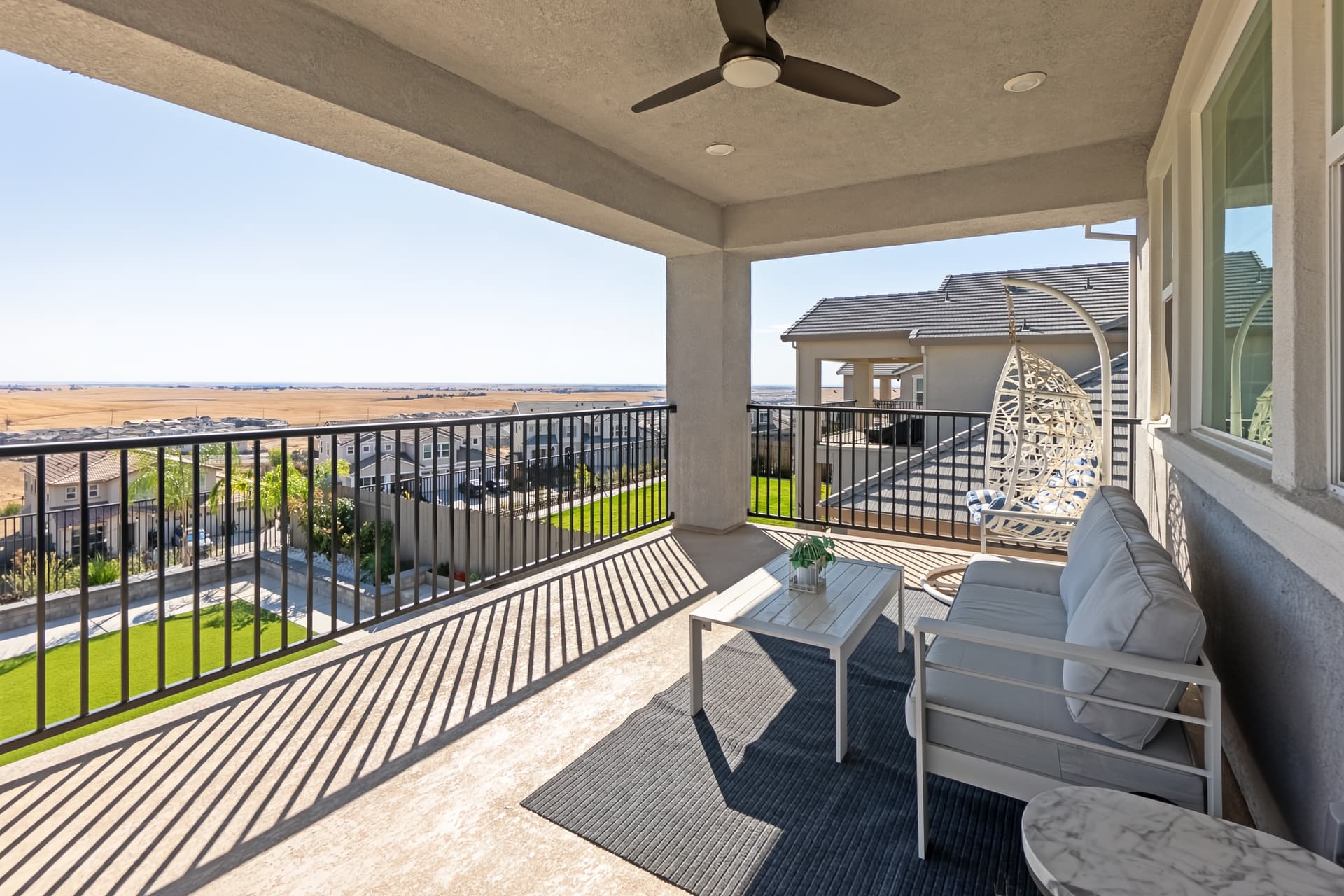
Grand Dignity Homes features elevator access between both floors, spacious private bedrooms, expansive common areas, an outdoor patio, and comfortable shared spaces.
The smaller residential environment also creates a different experience from a large senior living campus. The goal is to provide professional support within a setting that still feels like a home.
How Can Families Tell if 24-Hour Care Is Truly Available?
Do not be afraid to ask detailed questions during an assisted living tour. “We provide 24-hour care” should be the beginning of the conversation, not the end.
Look for:
- Caregivers available around the clock
- Clear overnight staffing procedures
- Personalized care plans
- Medication management
- Assistance with daily living needs
- Accessible spaces
- Staff who understand individual residents
- Clear communication with families
Most importantly, ask what happens when something changes.
A resident who moves in needing minimal assistance may require additional support later. Understanding how a home evaluates and responds to changing care needs can help families determine whether it is a good long-term fit.
The Value of Around-the-Clock Support
For families, 24-hour assisted living care can provide something difficult to achieve when coordinating care independently: consistency.
A loved one has access to assistance whether they need help at breakfast, before bed, or during the middle of the night. Families can spend more time being family rather than trying to coordinate every aspect of day-to-day caregiving.
At Grand Dignity Homes, the combination of personalized care, 24-hour experienced staff, medication management, private living spaces, and a residential environment is designed to support both quality of life and dignity.
Learn More About 24-Hour Care at Grand Dignity Homes
Choosing assisted living is a significant decision, and families deserve clear answers about the care their loved one will receive.
When touring a home, ask about daytime and overnight staffing, medication management, mobility assistance, personalized care planning, and what happens when a resident’s needs change.
Grand Dignity Homes provides 24-hour experienced staff and individualized support in a comfortable residential setting. Schedule a private tour to see the home, meet the team, and discuss the level of care your loved one may need.
Recent Posts

What Is Included in an All-Inclusive Residential Care Home?
SEPTEMBER 9, 2026

What Does Luxury Assisted Living Really Mean?
SEPTEMBER 9, 2026

10 Questions to Ask About Overnight Assisted Living Staff
JULY 14, 2026

What Happens When a Resident’s Care Needs Change?
JULY 1, 2026

The Benefits of Personalized Care Plans in Assisted Living
JUNE 29, 2026

Signs It’s Time for Assisted Living and How to Know When the Moment Is Right
JUNE 13, 2026