


JUNE 13, 2026
Signs It’s Time for Assisted Living and How to Know When the Moment Is Right
For most families, the question doesn’t arrive all at once. Knowing the signs it’s time for assisted living is rarely straightforward, and most families find themselves second-guessing long after they probably should have acted.
This guide is for families in that in-between space: noticing changes in a parent or loved one, unsure whether those changes are serious enough, and trying to figure out what comes next. If you’re searching for senior care options in Folsom, California, understanding what to look for and what to do about it is the most important first step.
Table of Contents
- Why Timing Matters
- Physical Signs to Watch For
- Cognitive and Memory Warning Signs
- Emotional and Social Changes
- Signs the Home Environment Has Become Unsafe
- When Family Caregiving Reaches Its Limit
- What Assisted Living Actually Provides
- How to Have the Conversation with Your Loved One
- Why Families in Folsom Choose Grand Dignity Homes
- Next Steps
Why Timing Matters
One of the most common regrets families share after placing a loved one in assisted living is that they waited too long. Recognizing the signs it’s time for assisted living early doesn’t mean rushing a decision. It means giving your family time to explore options, ask questions, visit facilities, and help your loved one transition on their own terms, with dignity and without panic.

Physical Signs to Watch For
Physical decline is often the most visible indicator that a senior may need more support than they’re currently receiving. Key signs include:
Unexplained weight loss or poor nutrition: Skipping meals, struggling to cook safely, or losing a significant amount of weight without explanation can signal that basic daily needs are going unmet.
Falls or increasing mobility challenges: A fall can be an important warning sign that additional support may be needed. According to the Centers for Disease Control and Prevention (CDC), falls are the leading cause of injury among adults age 65 and older. Difficulty walking, getting up from chairs, or navigating stairs without assistance may also indicate that a senior needs additional mobility support.
Poor personal hygiene: Noticeable changes in grooming, bathing, or wearing the same clothing repeatedly can indicate that personal care tasks have become difficult or overwhelming.
Medication mismanagement: Missed doses, double dosing, expired prescriptions, or confusion about what medications to take are common and dangerous issues for older adults living alone.
Worsening chronic conditions: If a loved one’s existing health conditions are becoming harder to manage without consistent daily support, assisted living may provide the structure and oversight needed.
Cognitive and Memory Warning Signs
Memory changes can be among the most difficult to watch, and the most important to take seriously.
- Forgetting recent conversations, appointments, or events on a regular basis
- Getting lost in familiar places – the grocery store, the neighborhood, the route home
- Leaving stove burners on, forgetting to turn off faucets, or other safety-related lapses
- Confusion about time, date, or season that goes beyond occasional forgetfulness
- Difficulty managing finances – unpaid bills, unusual purchases, susceptibility to scams
- Repeating the same stories or questions within a short period of time
Not all memory changes indicate dementia, but persistent cognitive decline that interferes with daily safety and function is a clear sign that additional support is needed. A physician evaluation is always the right starting point, and assisted living can provide the daily structure and supervision that significantly improves safety for seniors with memory concerns.
Emotional and Social Changes
Physical and cognitive signs get most of the attention but emotional and social changes matter just as much.
Withdrawal and isolation are among the most underrecognized warning signs. Seniors who once socialized regularly, enjoyed hobbies, or stayed connected with family and friends may pull back as daily life becomes harder to manage. Isolation is not just emotionally painful — it is clinically linked to accelerated cognitive decline and increased risk of depression.
Watch for:
- Persistent sadness, hopelessness, or loss of interest in activities they once enjoyed
- Anxiety or fearfulness about being alone, especially at night
- Decreased motivation to engage with friends, family, or community
- Expressions of loneliness or feeling like a burden to others
Assisted living communities provide consistent social engagement: meals shared with others, activities, conversation, and a sense of belonging that living alone simply cannot replicate.
Signs the Home Environment Has Become Unsafe
A home that was once perfectly suited to a senior can become dangerous as mobility and cognition change. Warning signs in the living environment include:
- Clutter, hoarding, or accumulated mail that suggests daily management has broken down
- Expired or rotten food in the kitchen
- Burnt pots or signs of kitchen accidents
- Poor home maintenance, such as broken fixtures, tripping hazards, inadequate heating or cooling
- Evidence of a fall like new bruises
- Difficulty managing household tasks like laundry, dishes, or cleaning
A home environment that has become difficult to maintain safely is one of the clearest signs it’s time to consider senior care alternatives.
When Family Caregiving Reaches Its Limit
Sometimes the signal comes not from the senior, but from the family.
Family caregiving is meaningful and often deeply loving work. It is also exhausting, stressful, and unsustainable when care needs exceed what family members can reasonably provide. Signs that family caregiving may have reached its limit include:
- A family caregiver experiencing burnout, anxiety, depression, or declining health of their own
- Care needs that require more medical oversight or physical assistance than family can safely provide
- A senior who is resistant to accepting help from family but may accept it from neutral professional caregivers
- Families who live far away and cannot provide consistent, daily oversight
What Assisted Living Actually Provides
Families sometimes delay the assisted living conversation because they’re not sure what it actually means or what to expect. Assisted living is not a nursing home. It’s not a hospital. It is a supportive residential environment designed for seniors who need help with daily activities but do not require full-time skilled medical care.
At Grand Dignity Homes in Folsom, assisted living includes:
- Personalized care plans built around each resident’s individual needs, routines, and preferences
- 24/7 professional care staff available day and night, not just during business hours
- Medication management with structured support to keep residents on schedule and safe
- Daily meals that are nutritious, prepared, and shared in a communal setting
- Personal care assistance including bathing, grooming, dressing, and mobility support
- Social activities and wellness programming tailored to each resident’s interests and abilities
- A safe, comfortable home environment with private bedrooms, shared spaces, outdoor areas, and elevator access
- For many seniors and families, assisted living represents a genuine improvement in quality of life, not just safety.
Why Families in Folsom Choose Grand Dignity Homes
Grand Dignity Homes is a licensed residential assisted living facility in Folsom, California offering a smaller, more personal alternative to large senior living facilities.
Residents live in a warm, home-like environment where staff genuinely know them as individuals. Care is personalized, not standardized. Support is consistent, not shift-dependent. Families stay involved, informed, and close because Folsom is home.
If you are starting to notice changes in your loved one’s daily routine, you do not have to figure out the next step alone. Grand Dignity Homes offers an initial consultation to talk through your loved one’s needs, answer your questions, and help you understand whether assisted living is the right fit. Reach out today to request more information or schedule a tour.
You can also read our helpful guide on what to look for when touring a residential care home, including questions to ask about safety, staffing, daily care, meals, activities, and family communication.
Recent Posts

What Does Luxury Assisted Living Really Mean?
OCTOBER 6, 2026

High-End Assisted Living: What Families Should Look For
OCTOBER 5, 2026

What Is Included in an All-Inclusive Residential Care Home?
SEPTEMBER 9, 2026

What Does Luxury Assisted Living Really Mean?
SEPTEMBER 9, 2026
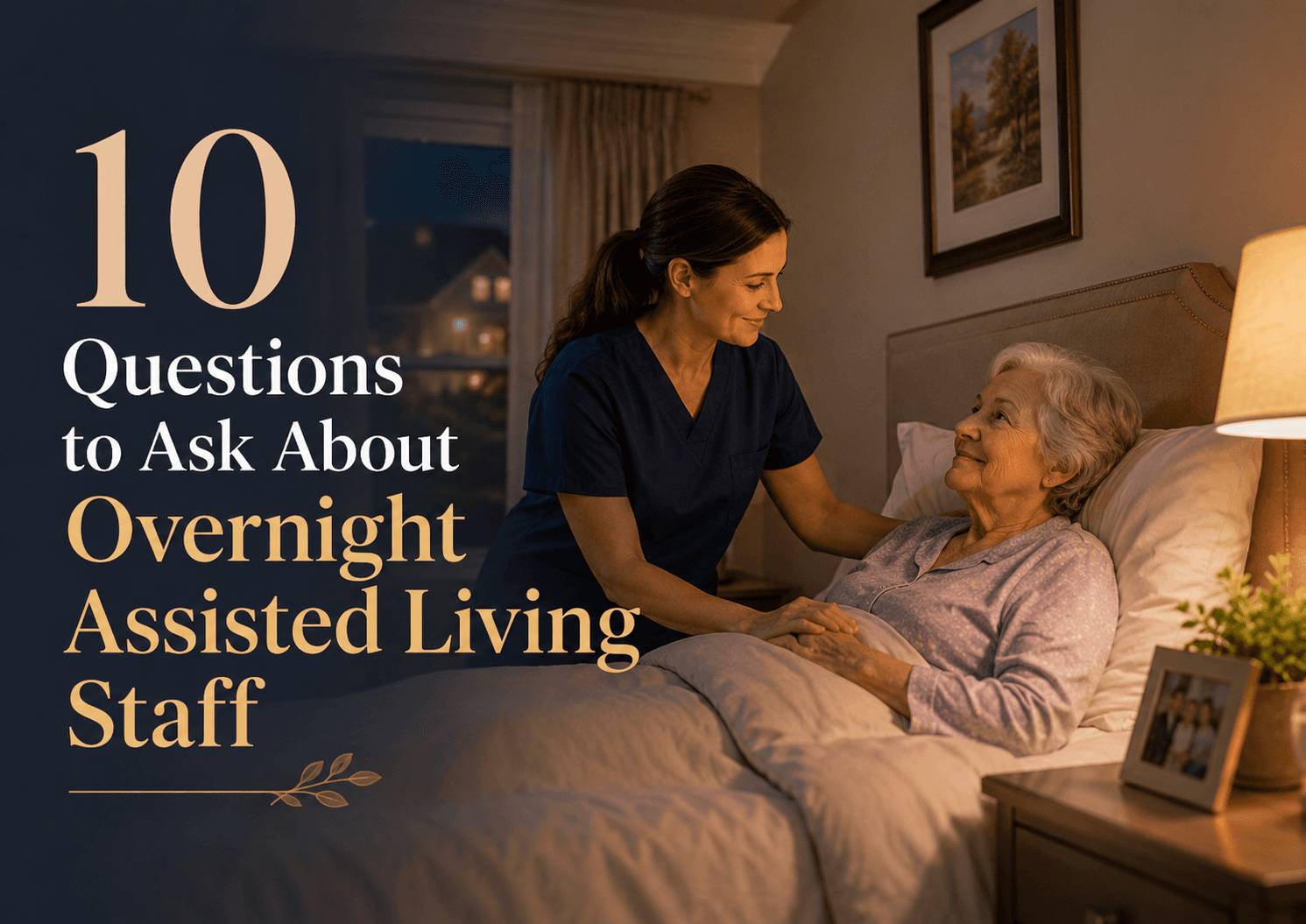
10 Questions to Ask About Overnight Assisted Living Staff
JULY 14, 2026

What Happens When a Resident’s Care Needs Change?
JULY 1, 2026